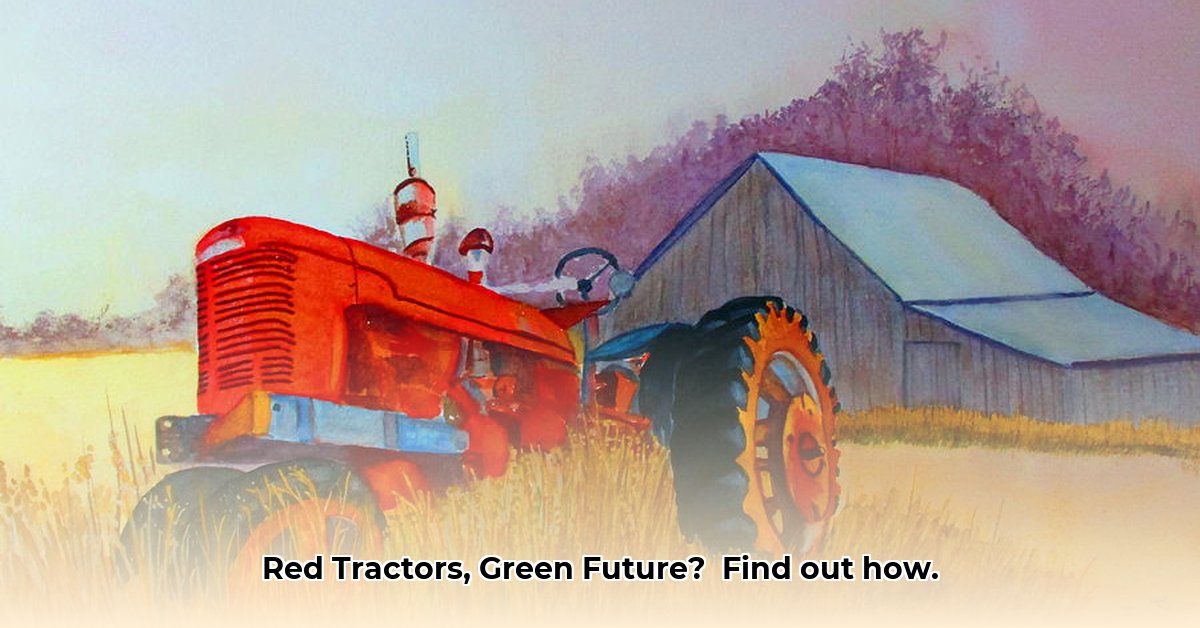
Red Tractor Painting: A Sustainable Approach to Farm Equipment Maintenance
Ever considered the environmental impact of your red tractor's paint? It might seem insignificant, but the type of paint you use can significantly affect your farm's overall sustainability. This article provides a comprehensive guide to eco-friendly tractor painting, encompassing paint selection, application techniques, and responsible disposal methods. We'll explore real-world examples of farmers embracing sustainable practices and discuss emerging trends in environmentally conscious paints. This isn't just about aesthetics; it's about responsible stewardship of our planet. For more on sustainable farm equipment, check out this helpful resource on leaf mulchers.
The Environmental Impact of Traditional Farm Paints
Traditional tractor paints often contain volatile organic compounds (VOCs) (gases released into the air during the painting process). These VOCs contribute to air pollution, harming both the environment and human health. Isn't it ironic that the paint protecting your equipment is harming the very ecosystem your farm depends upon? The question is no longer just about looks; it's about the long-term health of your farm and the planet.
Choosing Eco-Friendly Paints: A Range of Sustainable Options
The good news is, sustainable alternatives exist. Low-VOC or zero-VOC paints are readily available, offering excellent durability without the high environmental cost. Water-based paints present another excellent option, simplifying cleanup and minimizing waste. But don't just rely on marketing claims; look for certifications verifying their environmental credentials. This ensures you are making a genuinely sustainable choice. Remember, investing in quality, eco-friendly paint reduces the frequency of repainting, leading to long-term cost savings and environmental benefits.
Painting Your Tractor Sustainably: A Step-by-Step Guide
Sustainable painting isn't just about the paint itself; it's about the entire process. Let's break down the key steps:
Preparation: Thoroughly clean your tractor's surface, removing rust, dirt, and old paint (using a pressure washer if necessary). This crucial step ensures proper adhesion and minimizes paint waste. This step alone can significantly impact the final result.
Paint Selection: Choose a low-VOC or water-based paint formulated for metal surfaces and outdoor use. Verify its eco-friendly claims with certifications and compare cost vs. longevity before making a decision.
Application: Use appropriate tools (brushes, rollers, or sprayers) to achieve an even coat. Avoid over-application; thin, even coats are more efficient and lead to a higher-quality finish.
Disposal: Dispose of leftover paint and containers responsibly, following local regulations. Many communities offer recycling programs or hazardous waste disposal services. Never dispose of paint improperly.
The Future of Sustainable Farm Paint: Trends and Innovations
The agricultural paint sector is evolving rapidly. Manufacturers are investing in research and development, creating increasingly sustainable formulations. Government regulations are also tightening, encouraging the use of eco-friendly options. We anticipate a wider array of high-performance, eco-conscious paints in the coming years.
Actionable Steps for a Greener Future
Sustainable farming demands collaboration. Here's how we can all contribute:
Farmers: Transition to low-VOC or water-based paints, adopt proper disposal techniques, and advocate for more sustainable paint choices.
Manufacturers: Develop bio-based paints, improve waste management in production, and invest in research and development for even more eco-friendly options.
Regulatory Bodies: Enact stricter regulations on VOC emissions and waste disposal, and offer incentives for the adoption of sustainable practices.
Choosing eco-friendly paint for your red tractor is more than just a cosmetic decision. It's a statement of your commitment to environmental responsibility and sustainable farming practices. Let's paint a path towards a greener future, one tractor at a time.